By Marcus T. · Updated 2026-08-20 · 11 min read
Most comparison questions about iptv providers reduce to one decision: do you choose a managed premium platform that controls the server chain, or an open marketplace where resellers repackage access and pricing shifts by seller?
The right pick depends on how you watch. Sports fans usually need low-latency feeds and reliable pay-per-view channels. Firestick users need an app that installs without hunting through downloader codes. Budget-focused viewers may tolerate less polish for a lower monthly price. This guide compares those two models using the criteria that actually predict whether a subscription stays watchable after the first week.
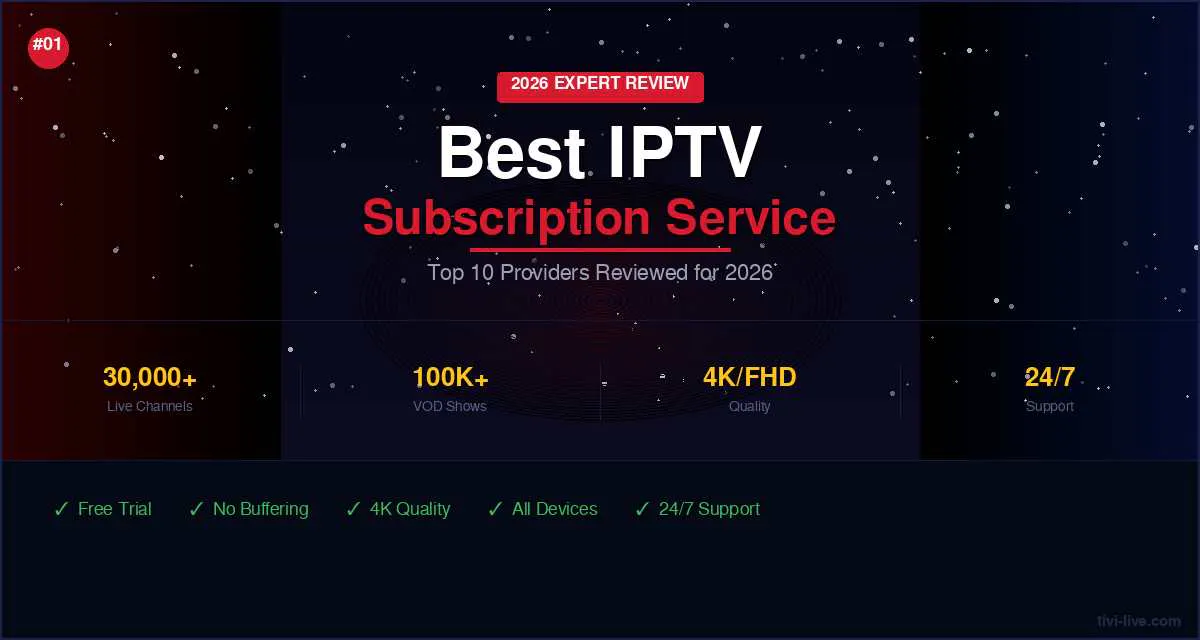
The interface split shown above is common: managed platforms tend to use branded apps and consistent categories, while open marketplaces often rely on generic playlist files and third-party video players. The difference is not just cosmetic — it affects setup time, support access, and what happens when a feed drops.
We will compare managed premium iptv providers against open marketplace resellers across price, sports stability, buffering, device support, free trials, support, and billing safety. You will not find fake user counts or invented ratings here — just the practical checks that help you avoid paying for a service that disappears after a big fight night.
What Actually Matters When Comparing iptv providers
Most provider comparisons focus on price per month. Price matters, but it is not the best predictor of whether a subscription buffers during prime time. Judge each option on reliability, device support, sports coverage, trial access, and support response.
Server capacity and buffering behavior
No provider can promise zero buffering on every network, but premium managed providers generally have fewer crowded hops because they control or lease dedicated capacity. Open marketplaces often oversell the same source lines, which leads to congestion during major matches. The best iptv providers no buffering tend to limit how many subscribers share a single server path.
Firestick and device compatibility
Firestick is the most common device for IPTV, and it is also where app compatibility gets messy. iptv service providers for firestick typically maintain a custom APK or a branded app that can be sideloaded once. Open marketplace listings may give you an M3U URL and tell you to use a generic IPTV player. That shifts the setup burden to you, especially when the playlist format changes.
Sports feeds and pay-per-view stability
For sports, the gap between managed and open marketplace providers is stark. Managed services are more likely to maintain redundant channels for major sports networks, regional sports networks, and PPV events. Open marketplace resellers may list the same event across multiple channel numbers, but those feeds often drop or swap sources without warning. The best iptv providers for sports invest in backup feeds rather than just a long channel list.
Free trials and paid tests
Free trials are not universal, and a provider that refuses any trial is not automatically bad. But a short trial — even 24 hours — lets you test buffering during your own evening viewing window. Some iptv providers with free trial offers are generous but provide limited support during the test. Managed premium services sometimes offer paid 24-hour trials; open marketplaces may offer free 36-hour trials with slower response.
Where you buy matters
Where to buy iptv subscription access shapes what happens when there is a problem. Buying through a managed platform with a real support desk and a documented dashboard gives you a recovery path. Buying from a random reseller in a forum or app store may save a few dollars but leaves you with a dead account and no contact. Affordable iptv providers for usa viewers often advertise region-specific servers, but you need to verify the server locations instead of relying on the sales page.
Five checks before comparing iptv providers
- Ask whether the service has a public trial or paid short access window.
- Check if the provider names its device apps and shows the setup process before you pay.
- Look for a support channel that is not just an email address.
- Search current iptv providers reviews 2026 that mention server stability, not only channel count.
- Verify if the service is positioned for USA or regional servers if local sports and news matter to you.
Option A: Managed Premium IPTV Providers
Managed premium platforms are the closest thing to a cable-style experience without the cable contract. They usually provide a branded app, a dashboard for account management, regional server selection, and a support team that works through setup issues. The monthly cost can be higher than a random reseller, but you are paying for infrastructure consistency rather than just a channel list.
These providers are often the stronger pick for Firestick users because they publish a clear installation path. They also tend to handle sports and PPV events with backup feeds, which matters if you subscribe specifically for live matches rather than background TV.
✓ Benefits & Pros
Stable sports and PPV feeds with backup channels
Dedicated Firestick and Android apps with documented setup
Transparent billing and renewal terms
Support desk with clear response path
Better handling of USA regional channels
✗ Limitations & Cons
Higher base cost than open reseller listings
Free trial length may be limited or paid
Some features can be region-locked
Still requires sideloading an APK or app on Firestick
RECOMMENDED RESOURCE
iptv providers
Review up-to-date regional server maps and infrastructure.
View the iptv providers Platform →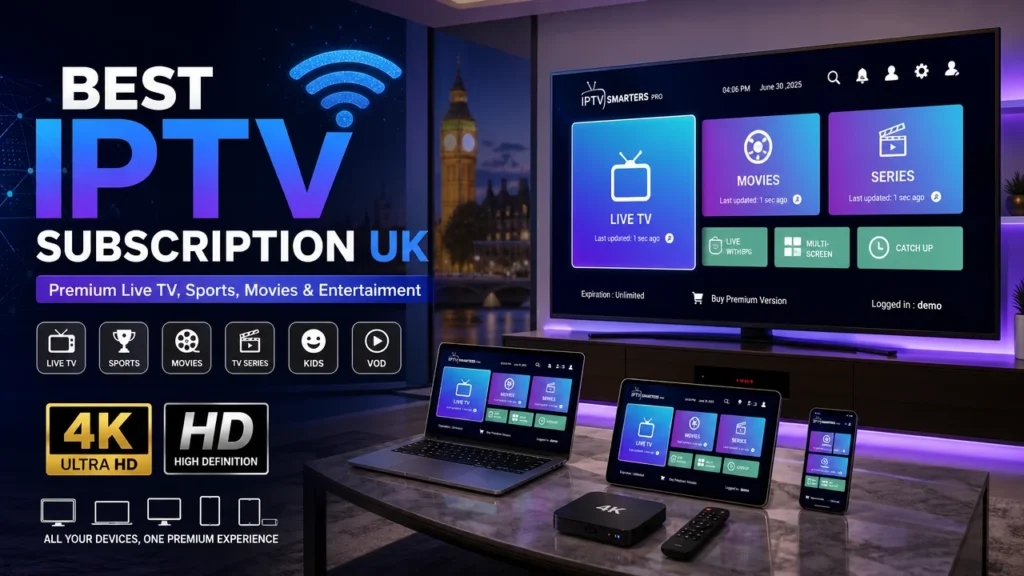
The server dashboard image above points to a practical advantage of managed premium providers: you can often see whether your region has a nearby server before paying. That transparency matters for viewers in the USA, UK, or Canada who want local channels without routing through overloaded overseas nodes.
Option B: Open Marketplace and Reseller IPTV Providers
Open marketplace providers are less a platform than a collection of sellers reselling access to shared server lines. They often advertise massive channel counts — 20,000+ live channels — for very low monthly rates. Some work fine for regular viewing, but the lack of ownership over the server chain means you depend on whoever sold you the subscription and whoever actually maintains the backend.
These providers can be attractive if you are comfortable with manual setup, already have a preferred IPTV player, or only need international channels that do not require the same low-latency stability as live sports. The tradeoff is support and long-term reliability.
✓ Benefits & Pros
Lower upfront cost and frequent short-term deals
Frequent multi-day free trials
Huge channel counts including international options
Broad device support via M3U or Xtream codes
Month-to-month billing with no long-term contract
✗ Limitations & Cons
Sports and PPV streams can drop or buffer during major events
No branded app; manual player setup required
Support can vanish after payment
Oversold lines cause evening buffering
Billing and renewal terms often unclear
Best Option by Budget
Tight budget: An open marketplace provider may be acceptable if you only watch non-live catch-up or international channels and you tolerate occasional buffering. Do not prepay for 12 months just because the price looks good. Buy a short-term plan and test during your actual viewing hours.
Mid budget: Managed premium providers are usually the better value per month because they reduce the hidden cost of chasing dead accounts. A few extra dollars often buys a working Firestick app, reliable sports feeds, and a support contact.
Annual commitment: If a managed provider offers a lower annual rate, it can come close to marketplace pricing while keeping support and billing structure. Treat annual payments as a risk decision, not just a discount decision.
Best Option by Experience Level
Beginners: Choose a managed premium provider with a branded app and clear support. The easier Firestick installation alone can save an afternoon of trial-and-error.
Intermediate users: An open marketplace can be fine if you are comfortable using Downloader, sideloading IPTV players, and troubleshooting EPG issues. You still need to keep a backup provider in mind for live sports.
Advanced users: A hybrid approach often works best: a managed primary for sports and PPV, plus a cheap marketplace backup for international channels. The key is disabling auto-renewal on the backup when you find a stable setup.
Compare premium line configurations and promotional limits.
Check Out iptv providers Deals →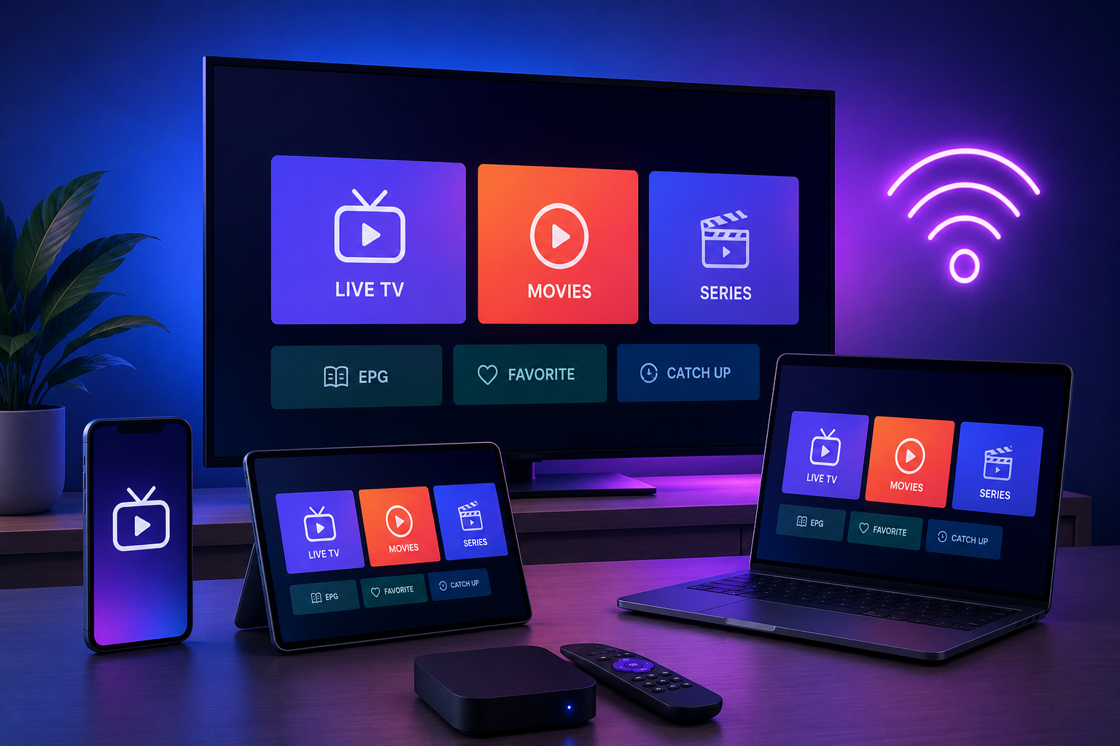
If you use a Firestick, the setup screen above is the moment that separates polished providers from manual reseller setups. Managed premium iptv providers usually give a branded app or an easy APK install path. Open marketplaces often leave you copying long M3U playlists into a third-party player.
Recommendation by User Profile
Sports-first viewer: Managed premium is the safer path. Look for redundant sports feeds and a PPV backup channel list, then validate with a short paid trial during a live event night. Avoid providers that only advertise huge sports counts without a server stability record.
Firestick user: Managed provider with a dedicated app or simple APK. Avoid generic M3U-only sellers unless you already know how to configure an IPTV player and are prepared to troubleshoot EPG and format changes.
USA local channel viewer: Managed provider with an explicit USA regional server list. Affordable iptv providers for usa exist, but check whether local networks are actually included or just advertised as part of a broad global package.
International channel tinkerer: Open marketplace can be acceptable, but avoid annual prepay. Test with a free trial, keep a backup playlist, and never auto-renew a reseller you have not used for at least two weeks.
No-buffering priority: Managed providers generally have better capacity control, but no service is immune. A wired connection, decent internet speed, and selecting the nearest server matter as much as the provider choice.
The clearer comparison is not which iptv provider is perfect — it is which failure mode you can tolerate. Managed premium providers reduce setup friction, billing surprises, and sports buffering risk. Open marketplace resellers trade those safeguards for lower monthly prices and broader channel lists. Most viewers who want a primary daily service should lean managed; those who only need a secondary international playlist can consider the marketplace route with short billing cycles.
Featured Streaming Selection:
Find Out More About iptv providers →Affiliate Disclosure: Clicking this secure link verified by our network supports our team through standard partnership terms at zero extra cost to your invoice.
Frequently Asked Questions
This article contains affiliate links. Our editorial analysis remains independent.